
A systematic approach for Industrial waste heat recovery (WHR)

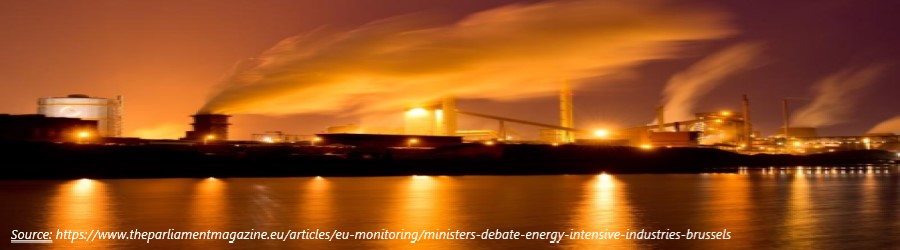
Globally one third of energy consumption is attributable to the industrial sector, with up to fifty percent ultimately wasted as heat. Unlike material waste that is clearly visible, Waste Heat Energy (WHE) can be difficult to identify and evaluate both in terms of quantity and quality. Hence by being able to understand the availability of waste heat energy, and the ability to recover, there is an opportunity to reduce industrial energy costs and associated environmental impacts. A waste heat energy recovery framework is developed to provide manufacturers with a four step methodology in assessing production activities in facilities, analysing the compatibility of waste heat source(s) and sink(s) in terms of exergy balance and temporal availability, selecting appropriate heat recovery technologies and decision support based on economic benefits. In some research study (https://doi.org/10.1016/j.seta.2018.07.001) which begins with a brief review of current industrial energy management and recovery used within industrial production facilities, before defining a framework for evaluating opportunities for reuse and recovery of energy within industrial environments. Both quantitative and qualitative descriptors are defined there, and a process established for the comparison of available sources and sinks.