
Published: Industrial Carbon Management Strategy


On 6th February 2024, Brussels published the EC communication, “Industrial Carbon Management Strategy - Towards an Ambitious Industrial Carbon Management”.
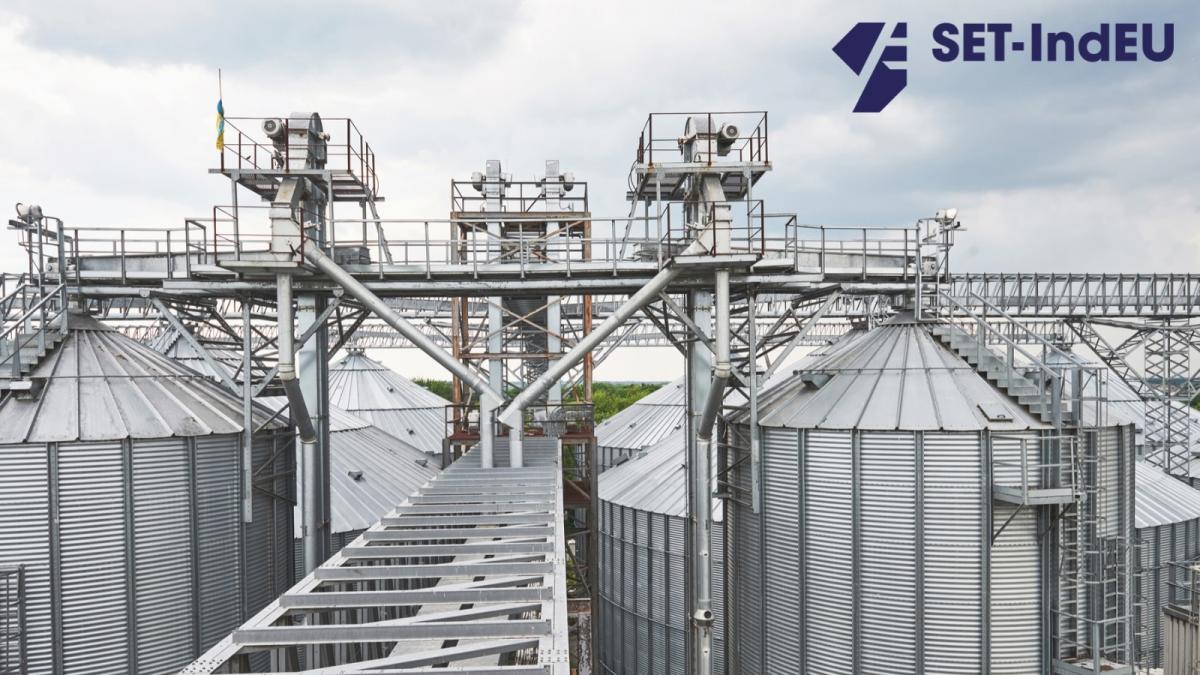
The European Commission has recently unveiled its Industrial Carbon Management Strategy, representing a critical milestone for significantly reducing emissions levels by 90% by 2040 and ultimately achieving climate neutrality by 2050. Although a significant portion of this effort involves reducing current emission levels in the upcoming years, there is also a pressing need for technologies capable of capturing CO2 or extracting it directly from the atmosphere for storage or utilisation purposes. These technologies will primarily target sectors where emissions reduction proves particularly challenging or expensive, such as process and energy-intensive industries.
Within the framework of the Net-Zero Industry Act, the Commission has proposed that the EU develops a minimum of 50 million tonnes per year of CO2 storage capacity by 2030. According to the recent impact assessment on the EU's proposed climate target for 2040, this capacity must expand to approximately 280 million tonnes by the year 2040. The Communication on Industrial Carbon Management delineates a thorough policy approach aimed at achieving these targets.
Driving Sustainability in Process Industries through Industrial Carbon Management
Industrial carbon management encompasses a series of technologies designed to capture or extract CO2, transport it, and permanently store or utilise it. It encourages their use on several energy-intensive industrial installations to reduce their CO2 emissions. Carbon capture and storage (CCS) captures the CO2 from industry plants before it is released into the atmosphere, transports it to suitable storage locations, and securely stores it underground in geological formations. Additionally, carbon capture and utilisation (CCU) technologies allow for reusing captured carbon, increasing its circularity and potentially reducing its emissions to the atmosphere. By incentivising the uptake of these technologies, the strategy aims to accelerate the transition to a low-carbon economy while ensuring the competitiveness of process industries.
The Communication outlines a framework that accurately represents the climate advantages of integrating CO2 into industrial processes. Such efforts are expected to stimulate the adoption of sustainable carbon across industrial sectors. It describes the necessary steps to deploy CCUS technologies and the needed infrastructure to create a single EU market for CO2, including studies for preparatory works for CO2 transport and storage and the assessment of the volumes of CO2 tonnes that need to be removed from the atmosphere. A clear carbon accounting framework for the utilisation of captured CO2 as a resource will be created.
Creating a Supportive Business Environment for the CO2 Value Chain in the EU
To facilitate the implementation of industrial carbon management initiatives, the EC is introducing a series of cross-cutting measures today to generate a more favourable landscape for investments.
Investment and Financing: Both the EU and its Member States are encouraged to promote industrial carbon management projects further within EU energy infrastructure initiatives and may explore the possibility of designating them as Important Projects of Common European Interest (IPCEIs). The Commission will evaluate whether specific CO2 capture projects are eligible for support through market-based financing mechanisms like competitive bidding auctions-as-a-service under the Innovation Fund.
Research, Innovation, and Public Awareness: The Commission is considering enhancing R&I funding related to industrial carbon management projects via Horizon Europe and the Innovation Fund. Additionally, the EC will support the creation of a knowledge-sharing platform for CCUS projects.
International Collaboration: Brussels intends to expedite collaboration with international partners concerning industrial carbon management, particularly concerning the harmonisation of reporting and accounting practices for carbon management activities and ensure that international carbon pricing frameworks incorporate considerations for emissions reductions in hard-to-abate sectors.
The future implications for process and energy-intensive industries:
The Industrial Carbon Management Strategy presents a relevant opportunity for process and energy-intensive industries to enhance their energy efficiency and sustainability. By implementing the measures outlined in the strategy, industries can significantly reduce their environmental impact, enhance competitiveness, and foster innovation.
The current strategy is based on a public consultation carried out in 2023 and expands upon the initiatives already pursued through the CCUS Forum and various Member States. Currently, industrial carbon management solutions have been incorporated into the draft National Energy and Climate Plans of 20 Member States. Once formally adopted by the European Parliament and the Council, the Industrial Carbon Management Strategy will come into force twenty days after its publication in the Official Journal of the European Union.
You can read the Industrial Carbon Management Strategy here.